Timber in Rockhampton
Dependable timber products to suit framing, repairs, and general building work.
Strong, Reliable Solutions
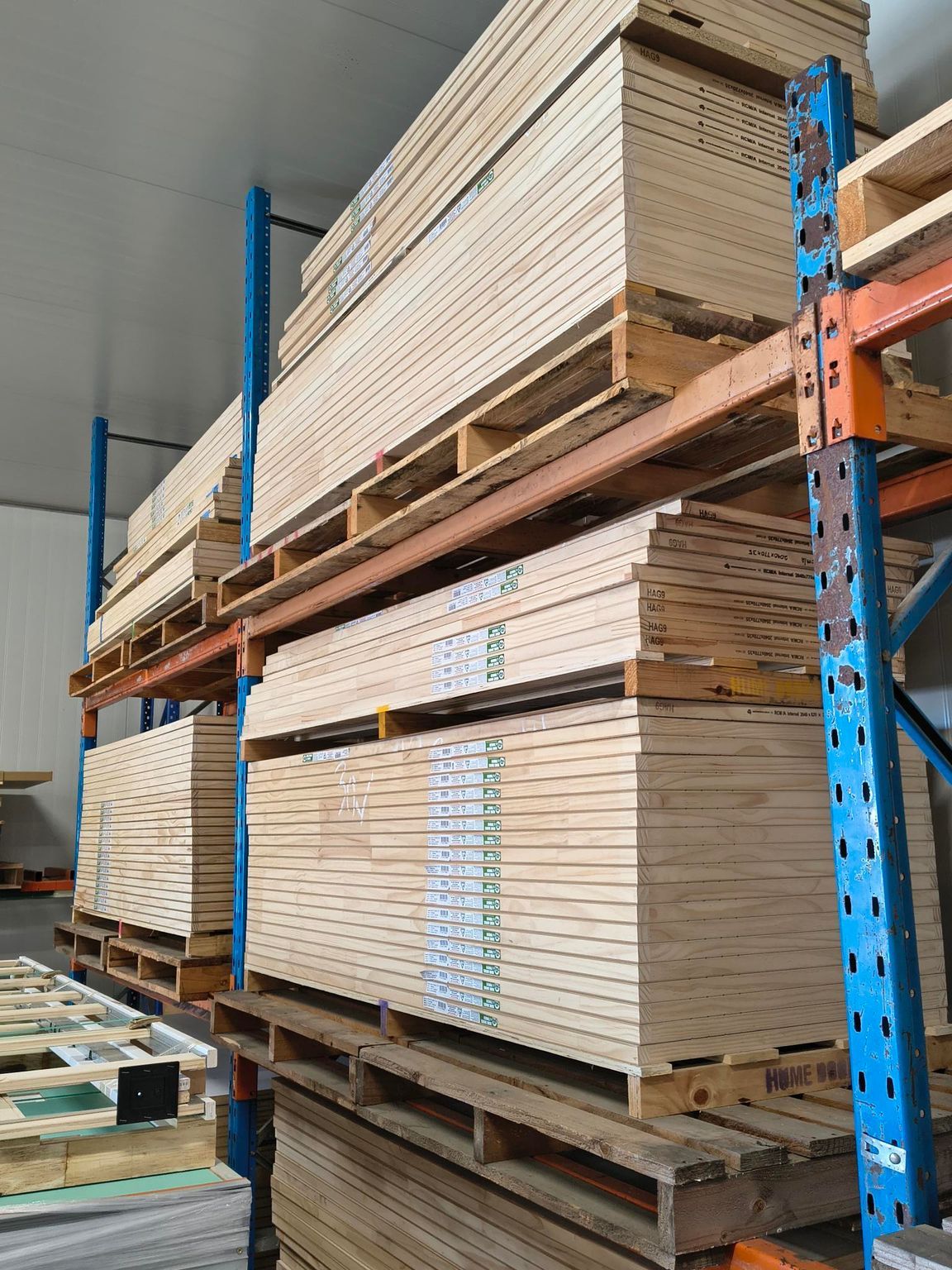
When it comes to sourcing dependable building materials, Kev's Group QLD is your go-to supplier for timber in Rockhampton. We stock a practical selection of timber suited to a wide range of uses, from structural framing and general construction to smaller trade and repair jobs. Our team understands the importance of reliable, consistent timber that performs well on site and is easy to work with.
With decades of industry experience behind us, we help you find the right timber for your job — whether you're working on a new build, renovation, or ongoing trade work. Our local knowledge and customer-first approach mean you’ll get support tailored to your needs.
For timber that’s ready when you are, visit our Rockhampton location or call us on 1800 465 387. We’ll help you source the right product, answer your questions, and provide guidance you can trust.
Why Choose Us?
We do more than supply timber — we provide reliable service and product knowledge every step of the way:
- We stock a reliable range of internal and external door hardware for everyday use.
- Our team helps you choose locks based on strength, access needs, and ease of use.
- You’ll receive practical advice on hardware options for new builds or renovations.
- Our products are suited to residential, trade, and light commercial installations.
- We understand local building trends and help match products to regional requirements.
- Our service is personal and focused — no upselling, just what fits your project.
- We help coordinate your door and lock selections with other building materials in-store.
- We’re always ready to answer your questions and ensure you walk away with the right
Need help choosing the right timber or confirming availability? Call 1800 465 387 or visit us in-store to speak with our knowledgeable, down-to-earth team.
Comprehensive Product Range
Expert Advice
Trusted Quality
Get A Quote
Reach out today for a personalised quote.
Contact Us
Thank you for contacting Kev's Group QLD.
We will get back to you as soon as possible.
Oops, there was an error sending your message.
Please try again later.
FAQs
What are the different types of timber used in construction?
Timber comes in two main categories: softwood and hardwood. Softwoods like pine and spruce are commonly used for framing, cladding, and general construction due to their affordability and ease of use. Hardwoods such as oak, spotted gum, and jarrah are more durable and are often used in flooring, decking, and furniture. Treated timber is used where exposure to moisture or termites is a concern, such as in outdoor structures. Each timber type has specific properties in terms of strength, weight, grain, and appearance. Choosing the right timber depends on your project's structural requirements, aesthetics, and environmental exposure.
How is treated timber different from untreated timber?
Treated timber is processed with chemical preservatives to enhance its resistance to decay, insects, and moisture. This makes it suitable for outdoor use, such as in fencing, decking, retaining walls, and landscaping. Untreated timber, on the other hand, is more suitable for indoor or sheltered applications where environmental exposure is minimal. Treated timber often has a greenish or brown tint from the preservatives and may carry safety markings. It's important to handle treated timber with care, especially when cutting or sanding, as the chemicals can be hazardous if inhaled. Always follow manufacturer guidelines and use appropriate personal protective equipment.
Can timber be used in coastal or high-humidity environments?
Yes, but the type of timber and its treatment is critical. In coastal or humid areas, timber is exposed to salt air, high moisture, and potential fungal growth. Using hardwoods with natural resistance to decay, such as teak or blackbutt, is one option. Alternatively, treated softwoods rated for outdoor or marine use can be used. Regular maintenance, such as sealing, painting, or oiling, is essential to prolong timber life in these conditions. Timber used in these environments should meet relevant durability ratings to ensure it performs well and stays safe over time.